
Play Skills
Play is how children explore, learn, and connect with others. Play skills are vital for development. For some children, play does not come easily and may feel confusing, rigid, or difficult to engage in. Occupational therapy can support the development of play skills that help children participate more fully in daily life and social experiences.
At San Tan Little Hands, play skills development focuses on helping children engage in meaningful, age-appropriate play that supports learning, social interaction, and emotional regulation.
Supporting Play Skills Development Through Occupational Therapy


Our Approach
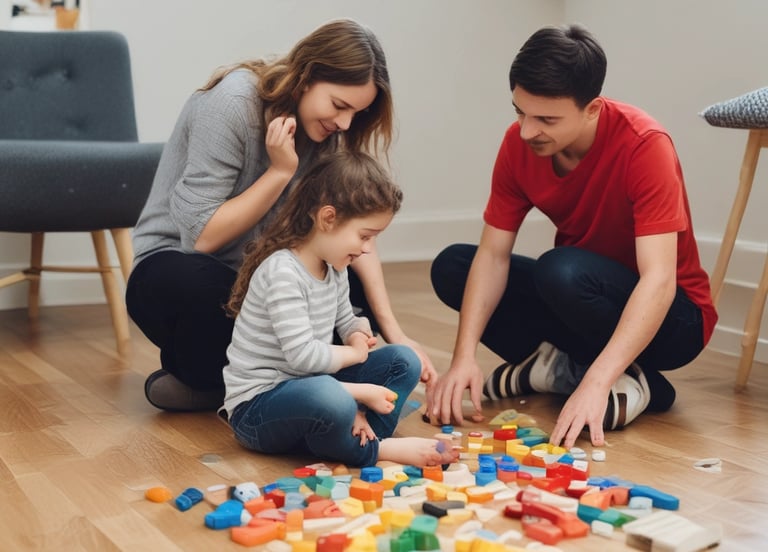
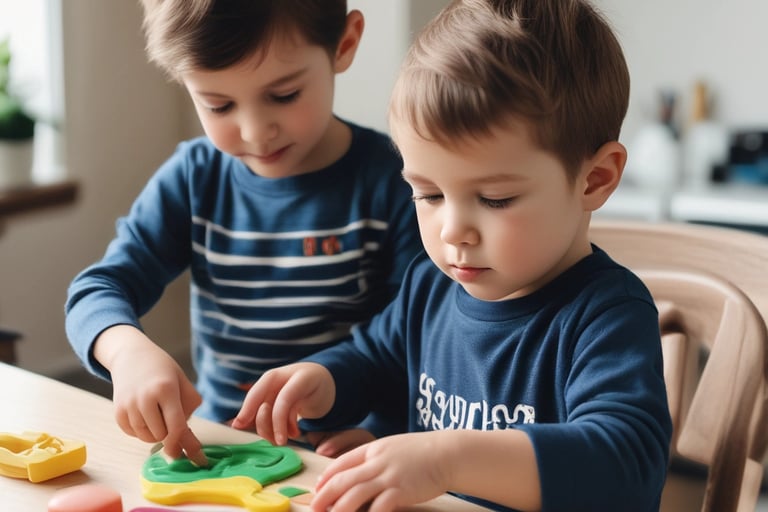
At San Tan Little Hands, play is never treated as “just play.” It is a powerful tool for growth and connection.
Our approach includes:
Play-based occupational therapy in natural environments
Respect for each child’s unique interests and strengths
Collaboration with parents to support carryover at home
Strategies that support participation in everyday routines and peer interactions
Therapy is designed to help children feel more confident, capable, and connected through play.
Parent Involvement
Parents play an important role in supporting play skills development. We work closely with families to:
Share strategies that can be used at home
Support play opportunities in daily routines
Help caregivers understand how play supports development
Our goal is to support progress that continues beyond therapy sessions.
Get Started
If you have questions about your child’s play skills or wonder whether occupational therapy may be helpful, we’re here to help.
Contact San Tan Little Hands to learn more about play skills development and schedule a free consultation.
Who Can Benefit From Play Skills Development?
Play skills support may benefit children who:
Prefer to play alone or struggle to engage with peers
Have difficulty with turn-taking or sharing
Show rigid or repetitive play patterns
Have challenges with imagination or pretend play
Become easily frustrated or overwhelmed during play
Have difficulty participating in group or peer activities
Play skills development is often beneficial for children with a variety of developmental needs and differences.
How Occupational Therapy Supports Play Skills
Occupational therapy addresses play skills by looking at the whole child, including sensory processing, motor skills, attention, regulation, and social-emotional development.
Therapy may focus on:
Increasing engagement and attention during play
Supporting imaginative and pretend play
Building flexibility and problem-solving
Developing turn-taking and cooperative play skills
Improving tolerance for changes, transitions, and shared play
Supporting regulation during play with others
All activities are play-based, child-led, and individualized to meet your child’s needs and interests.
What Are Play Skills?
Play skills include a wide range of abilities, such as:
Engaging with toys and activities in a purposeful way
Using imagination and creativity
Taking turns and sharing
Playing flexibly rather than rigidly
Initiating and maintaining play with others
Understanding social cues during play
These skills form an important foundation for communication, relationships, and participation in school and community settings.


Contact
Reach out for personalized support.


SOCIAL
Navigation
© 2025. All rights reserved.
Phone or text
(480) 818-5513